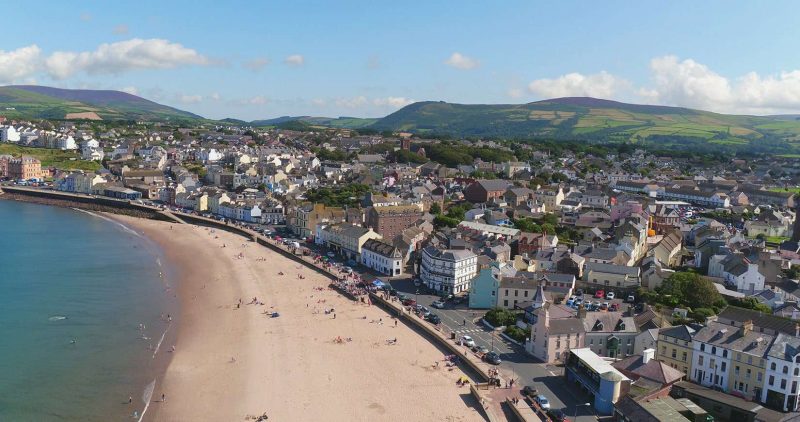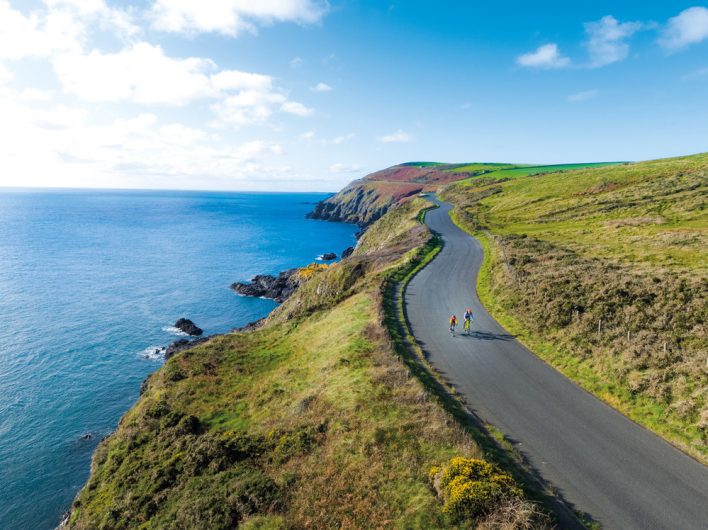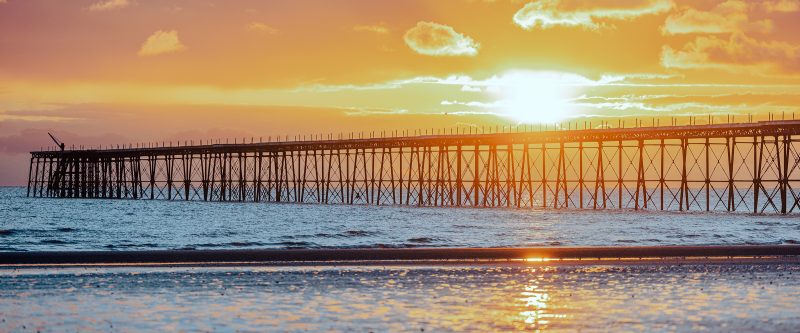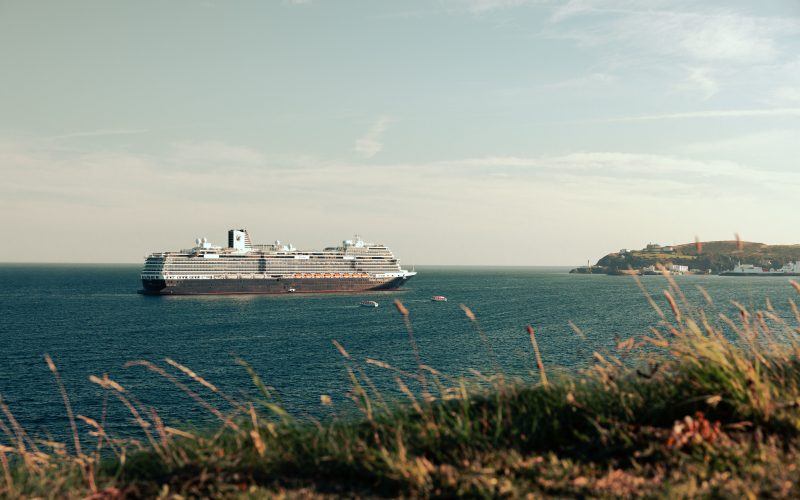
Three days is enough time to fall properly in love with the Isle of Man. It is not enough time to see everything — but if you plan it well, you will cover the coastline, the heritage, the countryside, and a good few of the places that do not appear in any official visitor guide.
This itinerary is built around a base in Douglas, which is where the ferry arrives and where most accommodation is concentrated. Each day is a day trip out from Douglas, with the option to explore independently or join a small-group guided tour if you would rather let someone else handle the route.
Distances on the Isle of Man are short — you can drive end-to-end in under an hour — but the roads reward slower travel. Build in time to stop when something catches your eye.
Before you go
Getting to the Isle of Man is straightforward. The Steam Packet Company runs ferry services from Liverpool (2 hours 45 minutes on the fast craft), Heysham (3 hours 30 minutes overnight), Larne, and Dublin. There are also direct flights from Manchester, London Heathrow, London City, Edinburgh, and other UK and Irish airports.
If you are self-driving, bring your car on the ferry. If not, Douglas is walkable and the island has buses and trains — including the Victorian steam railway between Douglas and Port Erin, which is a genuine attraction in its own right rather than just a way to get around.
Local tip: The Go Explore Card covers the island’s heritage railways, buses, and some attractions — great value if you plan to use public transport across multiple days. You can book yours in advance through Isle of Man Experiences.
Prefer to have your three-day break organised for you?
Explore our Isle of Man Discovery Holiday, including accommodation and a carefully planned itinerary.
Day 1: Douglas and the south — castles, coast, and the ancient capital
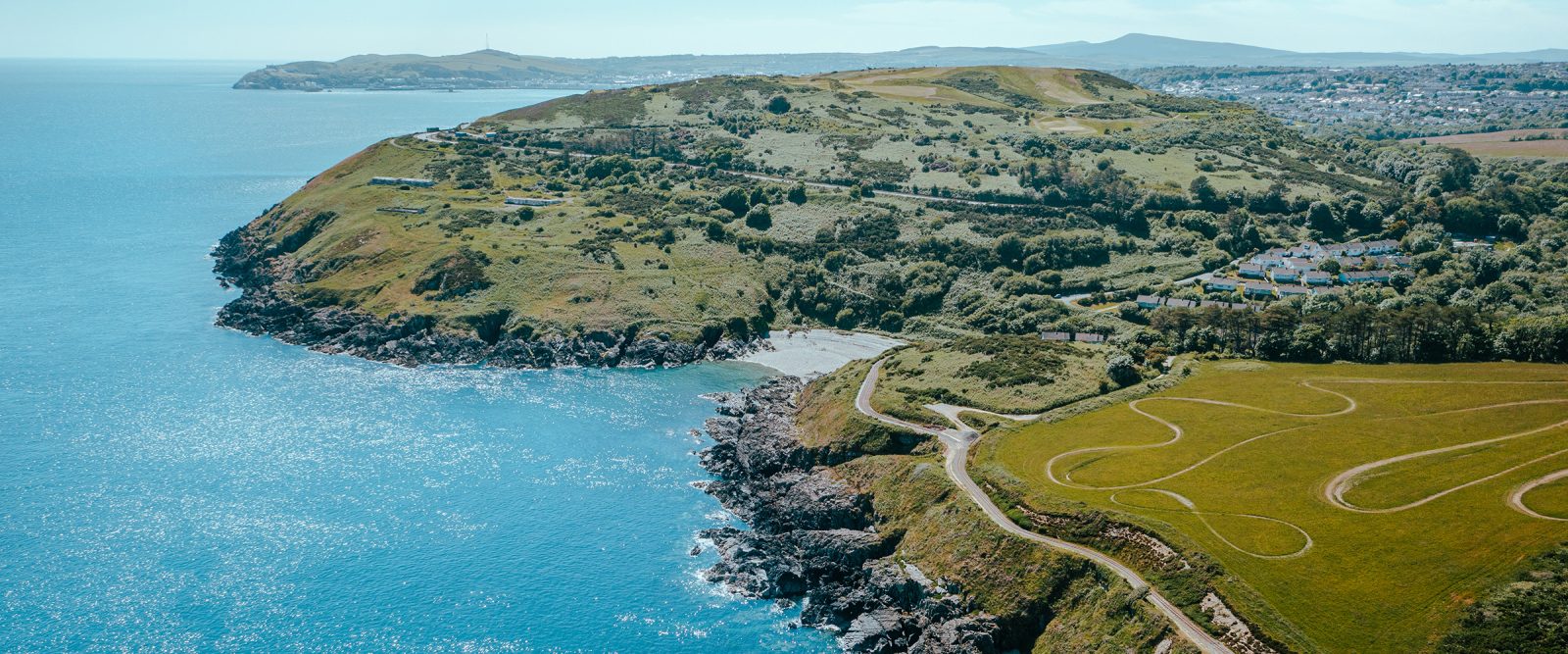
Start close to home on your first day. The south of the island is the most historically concentrated part of the Isle of Man and makes a natural first day trip — within a 20-minute drive of Douglas you have the island’s ancient capital, a remarkably preserved medieval castle, and one of the most dramatic stretches of coastline in the Irish Sea.
Morning — Castletown and Castle Rushen
Head south from Douglas along the coast road to Castletown, the island’s original capital. Castle Rushen dominates the town square — a Norse fortress first built in the 13th century and one of the best-preserved medieval castles in Europe. Allow an hour or so to explore properly.
From Castletown, it is a short drive to Ballasalla and Rushen Abbey, the atmospheric ruins of a 12th-century Cistercian monastery. Less visited than the castle, it is worth the short detour.
Afternoon — Cregneash, the Sound, and the Calf of Man
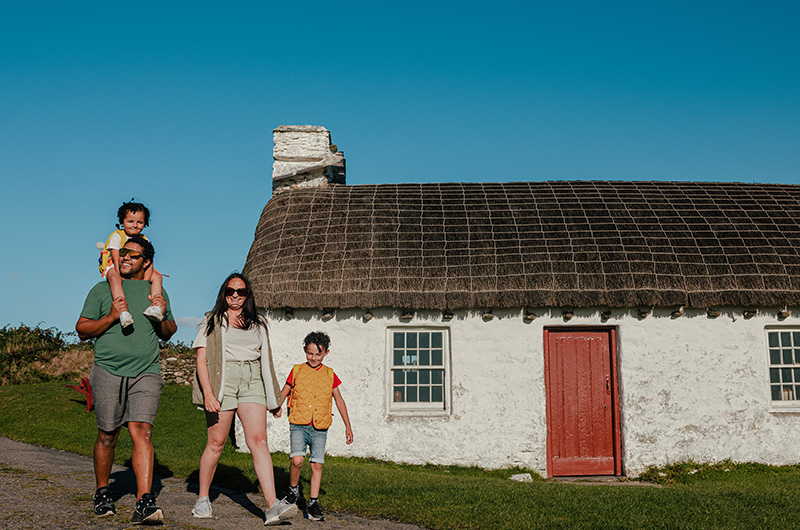
Continue south and west to Cregneash, a living folk museum on the southern headland that shows what Manx rural life looked like in the 19th century. The four-horned Loaghtan sheep that graze around the cottages are a breed found almost nowhere else.
From Cregneash, it is a short drive to the Sound — the narrow channel between the Isle of Man and the Calf of Man, a small uninhabited island managed as a bird sanctuary. The cafe at the Sound is one of the best lunch stops on the island, with views across to the Calf on a clear day. Grey seals are often visible on the rocks below.
Evening — back through Port Erin
Return to Douglas via Port Erin, a traditional Victorian seaside resort with a sheltered bay, a steam railway station, and a good selection of pubs and restaurants for an early dinner before heading back.
Want a guide? The Isle of Man Experiences Half Day South Tour covers Castletown, the Sound, and the southern coastline with a local guide, departing from Douglas. Learn More.
Day 2: The north and the heritage railway — Laxey, Snaefell, and Ramsey
The north of the island is where the landscape opens up. The roads are quieter, the coastline is wilder, and the heritage runs deep — this is Viking country, and the sites to prove it are still standing.
Morning — Laxey Wheel and Snaefell Mountain Railway
Leave Douglas north along the coast road or, better, take the Manx Electric Railway from Derby Castle — a Victorian electric tram that has been running since 1893 and is a genuinely beautiful way to travel the eastern coastline. Alight at Laxey.
The Great Laxey Wheel — Lady Isabella — is the largest working waterwheel in the world, built in 1854 to pump water from the Laxey lead mines. It is an extraordinary piece of Victorian engineering in an unlikely setting, and it still turns. Allow time to walk up to the wheel and explore the mine trail.
From Laxey, the Snaefell Mountain Railway climbs to the summit of the island’s only mountain. At just over 2,000 feet it is modest by most standards, but on a clear day you can see England, Ireland, Scotland, and Wales simultaneously — the so-called seven kingdoms (the seventh being the sea). Worth the trip if the weather is on your side.
Afternoon — Point of Ayre and the north coast
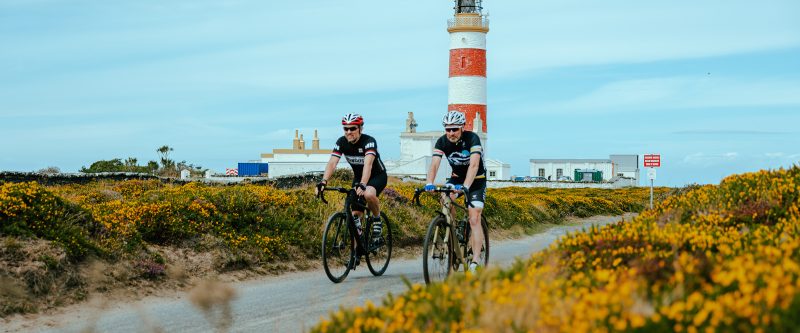
Continue north to the Point of Ayre, the island’s northernmost tip. The lighthouse here dates from 1818, and the shingle beach and flat coastal landscape feel genuinely remote compared to the rest of the island. It is an important site for breeding terns and wading birds in season.
Head west along the north coast to Jurby, where the Isle of Man Motor Museum houses a collection of over 300 vehicles, including historic TT machinery — well worth a stop for motorsport fans.
Late afternoon — Ramsey
Finish the day in Ramsey, the island’s second town. It is quieter and less tourist-facing than Douglas, which is part of the appeal — a genuine Manx town with a working harbour, good independent cafes, and the Grove Museum, a beautifully preserved Victorian country house.
Return to Douglas by electric railway or road — the coastal route back is particularly good in the evening light.
Want a guide? The Isle of Man Experiences Half Day North Tour covers Laxey, the Point of Ayre, and Ramsey with a local guide, departing from Douglas. A good option if you would rather not navigate the north independently. Learn More
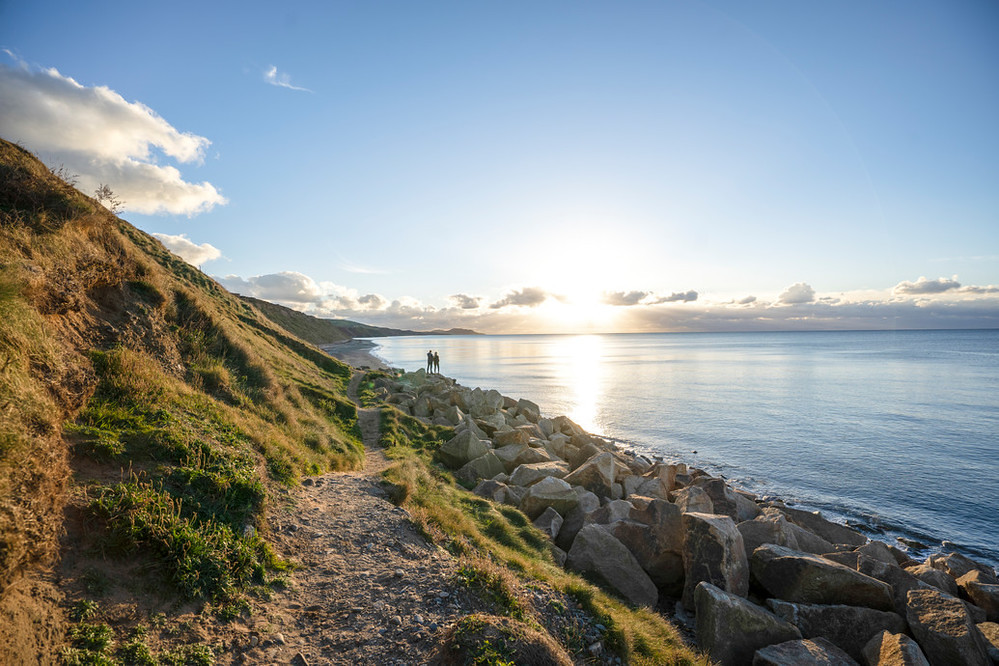
Day 3: The west coast and the heart of the island — Peel, Tynwald, and the glens
The West Coast is the Isle of Man at its most atmospheric.
Peel is one of the most characterful harbour towns in the Irish Sea, the Manx glens are peaceful and largely unknown to visitors, and the ancient parliament site at Tynwald connects the island to a thread of democracy stretching back over a thousand years.
Morning — Peel and Peel Castle
Head west across the island to Peel, built around a natural harbour dominated by the ruins of Peel Castle on St Patrick’s Isle — connected to the town by a causeway. The castle dates from the Viking period and the site has been significant since the early Christian era. Walk the perimeter walls for views across the harbour and out to sea.
The House of Manannan, Peel’s heritage centre, tells the story of the island’s Celtic and Viking past through reconstructed environments. It is more engaging than most heritage centres — worth an hour if history interests you.
Peel is also famous for its Manx kippers — traditionally smoked herring that have been a staple of the island’s food culture for generations. Pick some up from a local deli or fishmonger to take home if you are travelling with luggage to spare.
Afternoon — Tynwald Hill and the glens
From Peel, head south to St Johns and Tynwald Hill — the ancient ceremonial site of the world’s oldest continuous parliament. The Manx parliament has met here every Tynwald Day (5 July) for over a thousand years. It is an unassuming grassy mound in a pleasant village, which somehow makes it more impressive rather than less.
Return to Douglas through the glens — the network of wooded valleys that run through the centre of the island. Glen Helen is particularly good. This is a quiet, walkable, and almost completely off the tourist trail. If the weather is fine, this is the Isle of Man at its most quietly beautiful.
Evening — Douglas promenade
Back in Douglas, the Victorian promenade is worth a proper walk on a final evening. The horse trams still run in season — one of the last remaining horse-drawn tram services in the world. The Gaiety Theatre, if there is a performance on, is a beautifully restored Victorian theatre worth seeing for the interior alone.
Want a guide? The Isle of Man Experiences Taste of the Isle of Man full-day tour covers Peel, Tynwald, and the best of the island’s west with a local guide. Learn More.
Practical information
Getting around: A hire car gives the most flexibility. Most car hire companies are based at Ronaldsway Airport or in Douglas. If you prefer not to drive, the Manx Electric Railway, steam railway, and bus network cover most of the island, and guided tours handle transport entirely. The Go Explore Card covers the heritage railways, buses, and some attractions — book yours in advance through Isle of Man Experiences.
Travelling without a car? Browse our guided Isle of Man tours, or explore the island by heritage railway with a Go Explore Card.
Where to stay: Most accommodation is concentrated in Douglas. The promenade hotels offer the classic Isle of Man seafront experience; there are also good independent options in the town centre and a handful of guesthouses in villages across the island.
For accommodation and an itinerary in one booking, view our Isle of Man holidays and short breaks.
When to go: The island is accessible year-round. Summer (June to August) has the best weather and the full range of attractions open. Late May to early June is TT season — the island transforms completely and accommodation books up a year in advance. Autumn and spring are quieter and often underrated. Winter is peaceful and dramatic.
Frequently asked questions
How many days do you need on the Isle of Man?
Three days is a good minimum to cover the highlights without rushing. A long weekend (Friday to Monday) works well from the UK. A week gives you time to go deeper — walking coastal paths, exploring the glens, and discovering the quieter parts of the island at a slower pace.
Is the Isle of Man worth visiting?
Yes. It is consistently underestimated. Visitors often arrive expecting a quiet island break and leave having discovered extraordinary heritage, dramatic coastal scenery, and a place with a genuinely distinct culture and identity. It was named one of the BBC’s top 25 places to visit in 2025.
Do you need a car on the Isle of Man?
Not necessarily. Douglas is walkable and the island has public transport — including the Victorian steam and electric railways that are attractions in their own right. Guided tours handle transport entirely. That said, a hire car gives the most flexibility for independent exploration.
What is the Isle of Man best known for?
The TT motorcycle races, which take place each May and June on a 37.73-mile circuit of public roads. But the island has far more to it — a UNESCO Biosphere Reserve, Norse and Celtic heritage, Victorian railways, dramatic coastline, and a pace of life that is hard to find elsewhere in the British Isles.
When is the best time to visit the Isle of Man?
Summer offers the best weather and the widest range of experiences. TT season (late May to early June) is unmissable for motorsport fans but requires booking well in advance. Autumn is quieter and atmospheric. Winter tours run year-round and offer a genuinely different experience of the island.
How do you get to the Isle of Man?
By ferry from Liverpool (fast craft, 2 hours 45 minutes), Heysham (3 hours 30 minutes overnight), Larne, or Dublin, operated by the Steam Packet Company. By air from Manchester, London Heathrow, London City, London Gatwick, Edinburgh, and other UK and Irish airports. The ferry is the most popular route for visitors bringing a car.